For optimal performance and to prevent damage‚ carefully read this instruction manual before installation or operation․ It details essential steps for proper setup‚ understanding all operating modes‚ temperature‚ and fan speed settings‚ ensuring efficient‚ safe use․
Importance of Reading the Instruction Manual
Reading the instruction manual meticulously before installing and operating your portable air conditioner is paramount for several critical reasons․ Firstly‚ it serves as your primary guide to prevent damage to the appliance itself‚ ensuring its longevity and optimal performance․ The manual provides detailed‚ step-by-step instructions that‚ if overlooked‚ can lead to improper handling‚ potentially causing serious damage to the unit or even posing risks to individuals․ It contains crucial information regarding initial setup‚ proper electrical connections‚ and essential safety guidelines specific to your model․ Understanding the manual ensures you correctly comprehend all available operating modes‚ such as cool‚ fan‚ and dehumidifier functions‚ along with how to accurately set temperature and fan speeds․ Furthermore‚ it outlines conditions for optimal efficiency‚ like keeping doors and windows closed during cooling operation‚ which is vital for effective climate control․ Disregarding these guidelines found within the manual can compromise the air conditioner’s effectiveness‚ void warranties‚ and create unnecessary hazards․ Therefore‚ dedicating time to thoroughly review the instruction manual is an indispensable step for safe‚ efficient‚ and trouble-free use of your portable air conditioning unit․
Initial Setup and Installation
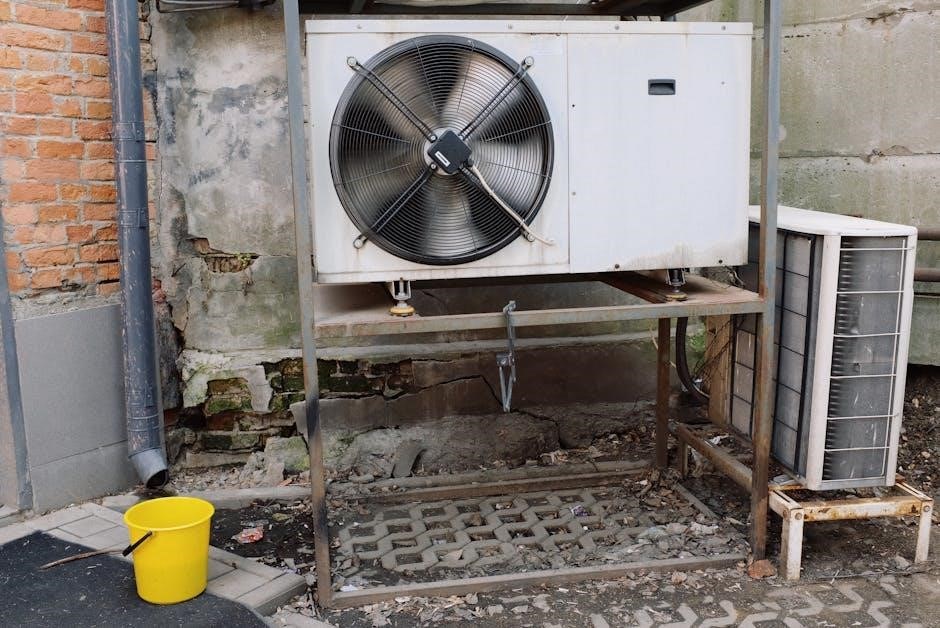
Proper initial setup is crucial for your portable air conditioner․ Follow installation instructions carefully‚ including window kit setup․ Always plug the unit into a properly grounded circuit‚ avoiding extension cords for safety and optimal performance․
Proper Placement and Window Kit Setup
Ensuring correct placement and a secure window kit setup is fundamental for your portable air conditioner’s efficiency․ Begin by carefully reading the installation instructions provided in your unit’s manual․ This guide will walk you through the specifics of assembling and sealing the window kit‚ which is crucial for venting the hot air outside․ Proper venting prevents warm air from re-entering the room‚ maximizing cooling performance․ Choose a location for the unit that allows for easy access to a window and a grounded electrical outlet‚ while also ensuring adequate space around the appliance for proper airflow․ Avoid placing the unit in constricted areas or directly against walls that might impede its operation or exhaust․ The window kit typically involves an adjustable panel and an exhaust hose․ Securely attach the hose to the unit and the window panel‚ making sure there are no gaps that could compromise the seal․ A well-installed window kit is paramount for expelling heat effectively and maintaining the desired indoor temperature․ This meticulous setup process contributes significantly to the overall cooling capacity and energy efficiency of your portable air conditioner․
Essential Electrical Safety Connections
Ensuring proper electrical safety connections is paramount for the safe and efficient operation of your portable air conditioner․ Always plug the unit directly into a properly grounded electrical circuit․ It is critically important to avoid using extension cords‚ as they can lead to overheating‚ power fluctuations‚ and potential fire hazards‚ compromising both the appliance and personal safety․ The dedicated circuit should match the voltage and amperage requirements specified in your unit’s manual․ Before each use‚ inspect the power cord and plug for any signs of damage․ Never operate the appliance if the plug is damaged or if the wall outlet appears loose or faulty․ Such conditions can result in electrical shock or damage to the unit’s internal components․ Improper handling of electrical connections can cause serious harm to individuals and the appliance itself․ Always ensure a firm‚ secure connection to a functioning‚ grounded outlet to prevent electrical issues and ensure reliable performance․ Adhering to these safety guidelines protects both the user and extends the lifespan of the portable air conditioner․
Optimal Environment for Air Conditioning
For your portable air conditioner to operate at peak efficiency‚ creating an optimal environment is crucial․ The most important step is to ensure all doors and windows in the room being cooled are securely closed when the unit operates in air conditioner or dehumidifier mode․ This prevents warm outside air from entering and cool air from escaping‚ allowing the unit to maintain the desired temperature effectively and without unnecessary strain․ If windows are left open‚ the appliance will continuously work harder to cool an ever-replenished volume of warm air‚ leading to increased energy consumption and significantly reduced cooling performance over time․
Additionally‚ proper ventilation is absolutely essential․ The hot air exhaust hose must be correctly installed and vented to the outside‚ expelling heat away from the living space efficiently․ Obstructions to the exhaust hose or air intake vents can significantly hinder performance․ Position the unit away from direct sunlight exposure‚ as this adds to the heat load the unit must overcome․ Keeping the area around the unit clear of clutter ensures unrestricted airflow for optimal operation․ Maintaining a sealed environment truly maximizes the cooling capacity and energy efficiency of your portable AC‚ ensuring a more comfortable space․

First Use and Post-Transport Considerations
After transport‚ especially if the unit was tipped or laid down‚ allow several hours (e․g․‚ 2-8) for compressor oil to resettle before operation․ If moved level without tilting‚ immediate use is generally fine‚ preventing potential damage․
Waiting Period After Unit Tipping
When a portable air conditioner is transported‚ especially if it is laid on its side or significantly tipped‚ it is crucial to observe a specific waiting period before powering it on․ This waiting period is essential because the compressor contains lubricating oil that can shift from its proper reservoir into the refrigeration lines when the unit is not kept upright․ Operating the air conditioner immediately after it has been tipped can cause the compressor to run without adequate lubrication‚ leading to severe internal damage and potentially shortening the appliance’s lifespan․ The compressor is a vital component‚ and its proper function relies heavily on this oil remaining in place․
Experts generally recommend waiting a minimum of two to three hours if the unit was only slightly out of level․ However‚ if the appliance was laid completely on its side‚ such as during vehicle transport‚ a more extended period of up to eight hours is often advised․ This extended duration allows sufficient time for the displaced oil to fully drain back into the compressor‚ ensuring it is properly lubricated and ready for safe‚ efficient operation․ Adhering to this guideline prevents costly repairs and ensures the longevity and optimal performance of your portable air conditioner․
Immediate Operation After Level Movement
Unlike situations where a portable air conditioner has been significantly tipped or laid on its side‚ immediate operation is perfectly acceptable if the unit has been moved while maintaining a consistently level position․ When relocating your appliance from one room to another‚ or making minor adjustments to its placement‚ provided it remains upright and is not excessively jostled or tilted‚ you can generally plug it in and begin using it without any waiting period․ The critical factor here is ensuring the compressor’s lubricating oil stays within its designated reservoir․
If the unit‚ especially one equipped with wheels‚ is carefully rolled or carried without any substantial tilting or being laid down‚ its internal components‚ including the compressor oil‚ will remain stable․ In such cases‚ there is no risk of oil displacement that would necessitate a delay before powering on․ Therefore‚ when moving the unit responsibly and keeping it as level as possible‚ feel confident to “fire that thing up and let it run” right away․ This convenience makes portable units highly adaptable for various cooling needs within your home‚ provided proper handling during movement․

Understanding Operating Modes
Portable air conditioners offer distinct operating modes․ These include Cool for temperature reduction‚ Fan for air circulation‚ and Dehumidifier (Dry) for moisture removal․ Some units feature a Heat Pump for heating․ Understanding these modes optimizes your comfort․
Cool‚ Fan‚ and Dehumidifier Modes
Portable air conditioners feature essential operating modes: Cool‚ Fan‚ and Dehumidifier․ The Cool mode actively lowers room temperature‚ requiring doors and windows to remain closed for optimal efficiency․ This ensures the unit effectively cools the enclosed space while exhausting warm air outside via the window kit‚ precisely as outlined in installation instructions․

The Fan mode circulates air without cooling‚ ideal for a gentle breeze or improved circulation when full air conditioning is not needed․ Unlike cooling or dehumidifying‚ open windows or doors are acceptable‚ as its sole purpose is air movement‚ not temperature alteration․
The Dehumidifier (Dry) mode specifically removes excess moisture from the air‚ highly beneficial in humid environments․ Units can extract significant humidity‚ for example‚ up to 2․6 pints per hour; For peak dehumidification‚ keep doors and windows closed‚ creating a sealed environment for efficient moisture reduction․
Heat Pump (Heating) Operation
For portable air conditioners equipped with a heat pump function‚ the unit offers versatile year-round climate control․ In heating mode‚ the operation fundamentally reverses the cooling process․ It actively pumps heat into the room‚ drawing warmth from the external environment and transferring it indoors․ This efficient method raises the ambient temperature to your desired level‚ effectively transforming the appliance into a capable heater‚ ensuring comfort during colder periods․ This expands its utility significantly․
When functioning in heating mode‚ the unit simultaneously blows cold air through its exhaust air hose․ This hose must be properly vented to the outside‚ just as it is during cooling operation․ Expelling this cold air ensures it doesn’t counteract the desired warming effect within the room․ Users can easily select the heating mode via the control panel or remote control‚ then adjust the target temperature and fan speed to maintain optimal indoor warmth and comfort effectively․

Basic Operation and Controls
To operate‚ turn on the unit via the power button․ Select modes‚ set temperature and fan speed using either the manual controls on the unit or the full-function remote control․ This allows easy adjustment for optimal comfort․
Power On/Off and Temperature/Fan Speed Settings
To initiate operation of your portable air conditioner‚ locate and press the designated power button‚ typically found on the unit’s control panel․ This action will power on the appliance‚ preparing it for your desired settings․ Once activated‚ adjusting the temperature is straightforward․ Utilize the up and down arrow buttons‚ often labeled with ‘+’ and ‘-‘ symbols‚ to increase or decrease the desired room temperature․ Most units offer a wide range of settings to achieve optimal comfort․ Similarly‚ controlling the fan speed is crucial for air circulation and cooling efficiency․ You can typically cycle through various fan speeds – low‚ medium‚ and high – by pressing a dedicated fan speed button․ Some models may also feature an “auto” fan setting‚ which intelligently adjusts the speed based on the ambient room temperature to maintain your set point․ These adjustments can be made directly on the unit’s manual control panel‚ ensuring you have direct command over its functions․ Always refer to your specific model’s manual for precise button layouts and functionality․ Proper use of these basic controls ensures effective cooling and energy management‚ allowing you to tailor the environment to your comfort․
Using Remote and Manual Unit Controls
Both remote and manual controls offer comprehensive command over your portable air conditioner‚ ensuring flexibility in operation․ The full-function remote control provides the convenience of adjusting every feature from anywhere across the room․ With the remote‚ users can effortlessly power the unit on or off‚ switch between various operating modes like Cool‚ Fan‚ or Dehumidifier‚ and precisely set the desired temperature using intuitive up/down arrows․ Furthermore‚ fan speed adjustments‚ from low to high‚ are easily managed remotely‚ allowing for tailored airflow without needing to approach the appliance․ This accessibility is particularly useful for maintaining comfort without interruption․ In addition to the remote‚ the unit itself features a manual control panel․ These manual controls typically mirror the essential functions available on the remote‚ serving as a reliable alternative or primary interface․ They allow for direct power activation‚ mode selection‚ and temperature or fan speed modifications should the remote not be available or require troubleshooting․ Always consult your specific model’s user manual‚ as it provides detailed instructions for navigating both the remote and manual control interfaces‚ highlighting unique features and their corresponding button operations for optimal use and efficiency․

Advanced Features and Safety Guidelines
Discover advanced functionalities like programmable timers and integrated self-diagnosis․ Adhere strictly to safety guidelines‚ avoiding improper handling‚ damaged connections‚ or extension cords‚ ensuring unit longevity and user protection․
Timer and Self-Diagnosis Functions
Modern portable air conditioners often incorporate sophisticated features designed for user convenience and streamlined maintenance․ The timer function allows users to pre-set operational schedules․ This “reservation” system enables the air conditioner to automatically power on/off‚ or adjust specific temperature and fan settings‚ at predetermined times․ For instance‚ set the unit to begin cooling your room before arriving home‚ ensuring comfort without continuous manual intervention․ This adds convenience and contributes to energy efficiency‚ operating only when needed․ Automatic activation at your appointment time ensures your set requirements are met precisely․
Equally important is the self-diagnosis function‚ a critical tool for preventative maintenance and troubleshooting․ Accessible via a dedicated button‚ this feature allows the appliance to internally check its components and operational parameters․ Should an anomaly or malfunction be detected‚ the system typically displays an error code‚ guiding the user to identify the issue․ This immediate feedback is invaluable‚ empowering users to address minor problems swiftly‚ potentially avoiding significant damage or professional service; Pressing the Self-diagnosis button provides insight into unit health‚ promoting proactive care and extended operational life․
Preventing Damage from Improper Handling
Improper handling can lead to significant damage to both the appliance and potentially cause harm to individuals․ To safeguard your portable air conditioner and ensure its longevity‚ strict adherence to operational guidelines is crucial․ A primary concern involves transportation; if the unit has been tipped or laid on its side‚ particularly during initial transport‚ compressor oil may migrate into the refrigerant lines․ Operating the compressor without this essential oil lubrication can cause severe and irreversible damage․ It is therefore imperative to allow the unit to sit upright for at least two to eight hours‚ depending on the tilt’s severity‚ enabling the oil to resettle properly within the compressor․
When moving the unit short distances‚ such as room to room‚ it is generally safe to operate immediately‚ provided it has been kept as level as possible and not significantly tipped․ However‚ avoid tipping it upside down during any movement․ Electrical safety is paramount: never operate the unit with a damaged plug or if connected to a loose wall outlet‚ as this poses a serious electrical hazard․ Always plug the unit into a properly grounded circuit‚ avoiding extension cords․ Thoroughly reading the instruction manual prior to installation or operation is the most fundamental step to prevent damage from improper handling․