2012 Ford F-150 Owner’s Manual Overview
The 2012 Ford F‑150 Owner’s Manual offers a concise guide covering vehicle specs, powertrain options, safety systems, and maintenance schedules. It includes PDF links, instrument cluster details, and troubleshooting tips for V6 and V8 engines, ensuring owners stay informed and compliant. Enjoy!

Vehicle Specifications and Powertrain Options
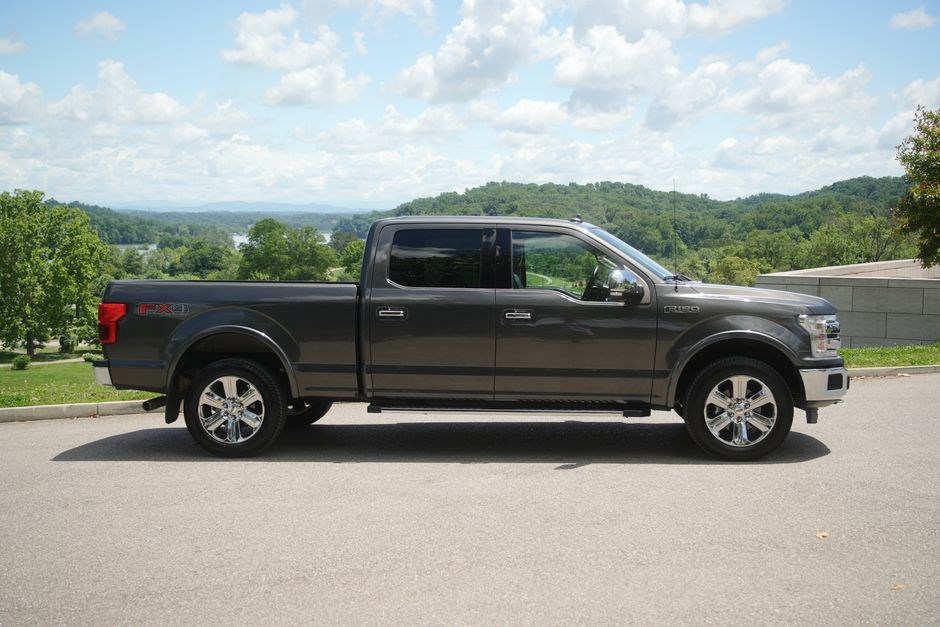
The 2012 Ford F‑150 is offered with a variety of powertrains that combine strength, efficiency, and versatility. The base 3.7‑liter V6 engine delivers 250 hp and 260 lb‑ft of torque, and is paired with a 6‑speed automatic or a 6‑speed manual for drivers who enjoy a more hands‑on feel. For those who need more power, the 5.0‑liter V8 produces 310 hp and 320 lb‑ft, while the 6.2‑liter V8 tops the line with 385 hp and 400 lb‑ft. Mid‑year, Ford introduced a 3.5‑liter V6 turbo‑charged engine that provides 365 hp and 420 lb‑ft, offering a balance of performance and fuel economy. All engines are mated to a 6‑speed automatic transmission with over‑drive, and the 6.2‑liter V8 can also be paired with a 6‑speed manual for a more traditional driving experience. The F‑150 is available in rear‑wheel drive or four‑wheel drive, with a 155‑inch wheelbase, 207‑inch overall length, 79‑inch width, and a 76‑inch height. Curb weight ranges from 4,800 lb to 5,500 lb depending on options. Payload capacities reach up to 2,000 lb, and towing capacities exceed 12,000 lb when properly equipped, making the 2012 F‑150 a capable workhorse for both commercial and personal use. The F‑150’s interior includes an ergonomic cabin with adjustable seats, a 6‑speaker audio system, and a touchscreen for navigation and media. Optional features such as a rear‑view camera, trailer sway control, and safety packages enhance both comfort and security. Owners can also benefit from Ford’s Mobile app, which provides start, vehicle status, and reminders.
Front and Rear Seat Adjustments & Comfort Features
Front and rear seats in the 2012 F‑150 are engineered for long‑haul comfort. The driver’s seat is power‑adjustable in the forward‑backward, lateral, and lumbar positions, with a memory function that stores up to two preset positions. The passenger seat offers manual height and tilt adjustments, and the rear seats can be split 60/40 with a fold‑flat option. All seats feature a 10‑way power‑adjustable lumbar support and a 3‑way recline for the driver. The cabin includes a 60‑inch panoramic sunroof that can be opened or closed via a power switch, and the interior lighting offers a 7‑color ambient system that can be customized through the vehicle’s settings menu. The F‑150’s climate control is dual‑zone, allowing the driver and front passenger to set independent temperatures. A 12‑speaker audio system with a 4‑channel amplifier delivers clear sound, while the optional 8‑speaker package adds sub‑woofer support. The vehicle also offers a heated steering wheel, heated front seats, and a ventilated rear seat option for added luxury. For convenience, the F‑150 includes a 6‑inch touchscreen display that controls navigation, media, and vehicle settings, and a 4‑speaker audio system with a Bluetooth hands‑free kit. The rear seats can be equipped with a built‑in USB port and a 12‑V outlet. In addition, the rear‑view camera provides a clear view of the area behind the truck, and the optional rear‑seat entertainment system includes a 7‑inch screen and a DVD player. The seats are equipped with a built‑in USB port and a 12‑V outlet for charging devices, ensuring convenience for occupants drives!
Instrument Cluster and Warning Lights Guide
The 2012 F‑150’s instrument cluster is a 7‑inch color TFT display that provides real‑time data on engine temperature, oil pressure, fuel level, and battery voltage. The cluster includes a digital speedometer, tachometer, and a trip computer that tracks average fuel economy, distance to empty, and trip time. A message center alerts the driver to maintenance needs, such as oil change, tire pressure, and brake wear. Warning lights are color‑coded: red indicates a critical fault requiring immediate attention, amber signals a cautionary condition, and green confirms a system is operating normally. The cluster also displays a 12‑hour or 24‑hour clock, a calendar, and a weather icon that updates automatically. Chimes accompany most warning lights, with a distinct tone for low fuel, seat belt, and engine temperature. The driver can customize the display by selecting from multiple themes, including a “night mode” that reduces glare. The cluster’s “driver information” menu offers a quick‑look summary of key data, while the “settings” menu allows adjustment of the display’s brightness, language, and audible alerts. The 2012 F‑150’s backup camera feed appears on the cluster when the vehicle is in reverse, providing a clear view of obstacles behind the truck. The cluster also supports a “fuel economy” mode that highlights the most efficient driving patterns. For added safety, the cluster includes a “lane‑keeping” indicator that warns the driver if the vehicle drifts out of its lane.!!

Engine and Transmission Operation Controls
The 2012 F‑150 offers a 3.7‑liter V6, 5.0‑liter V8, 6.2‑liter V8, and a 3.5‑liter V6 turbo‑charged engine, each paired with a six‑speed automatic (6F50) or manual (6MT). The automatic shift lever provides Park, Reverse, Neutral, Drive, and manual mode (M); paddle shifters give the driver manual gear selection. The transmission’s lock‑up clutch engages at high speeds for fuel efficiency, while the torque converter smooths idle and low‑speed operation. The engine control unit (ECU) manages throttle, idle, and fuel injection, ensuring consistent performance. A start/stop button on the dash turns the engine on/off; the system shuts off at idle and restarts when the brake is released. The drive‑mode selector (Normal, Eco, Sport) adjusts throttle response and shift points. The low‑range selector on the transfer case provides extra torque for off‑road or towing. Shift‑lock prevents shifting out of Park without the brake. The electronic stability control works with the transmission to optimize traction. Shift points are calibrated for performance and efficiency, and the ECU adjusts timing based on throttle and speed. Towing mode locks the transfer case and adjusts shift mapping for maximum torque. Diagnostics display fault codes on the instrument cluster for easy troubleshooting. The F‑150’s integrated diagnostic interface also allows the driver to initiate a self‑test, view live sensor data, and download error logs via the USB port, aiding quick repairs and maintenance planning. All systems meet 2012 safety standards now
Vehicle Safety Systems and Airbag Information

The 2012 Ford F‑150 incorporates a comprehensive suite of safety technologies designed to protect occupants and enhance driver confidence. The vehicle is equipped with dual front airbags, a side‑airbag system for the driver and passenger, and a curtain‑airbag system that deploys from the roof lining to shield the rear seats during side impacts. Active safety features include antilock braking system (ABS), electronic stability control (ESC), traction control, and a brake‑force distribution system that works in tandem with the ABS to optimize braking performance on slippery surfaces. The F‑150 also offers a driver‑attention monitoring system that alerts the driver when fatigue or distraction is detected. The vehicle’s structural design incorporates a reinforced passenger compartment, a high‑strength steel frame, and strategically placed crumple zones that absorb impact energy. The side‑impact beams are engineered to mitigate intrusion during a collision, while the front bumper is designed to absorb and redirect impact forces. The 2012 F‑150 also features a rollover protection system that monitors vehicle dynamics and can pre‑activate the seat‑belt pretensioners if a rollover is imminent. Airbag deployment is governed by the ACM, which monitors vehicle speed, crash severity, and occupant sensors. The ACM ensures airbags deploy only when impact exceeds the threshold, preventing unnecessary deployment and ensuring protection. Regular maintenance of safety systems is critical. Inspect airbags for visible damage, ensure the seat‑belt pretensioner is functional, and keep the vehicle’s electronic control modules updated. The owner’s manual provides detailed troubleshooting steps for airbag fault codes, and Ford’s roadside assistance can diagnose and replace faulty modules. for safety and care
Entertainment and Audio System Settings
The 2012 Ford F‑150’s entertainment system is built around a versatile audio platform that supports multiple media sources and connectivity options. The factory‑installed AM/FM radio is paired with a CD/MP3 player, a USB port, and an auxiliary input jack. In addition, Bluetooth® hands‑free and streaming audio are available on the higher trim levels, allowing the driver to connect smartphones or tablets for music, navigation, and voice commands. The system’s touchscreen interface provides quick access to presets, radio stations, and media libraries, while the physical controls on the steering wheel and center console enable hands‑free operation. Users can customize the audio experience through the built‑in equalizer, which offers flat, bass‑boost, treble‑boost, and vocal‑enhancement presets. Volume is controlled via the master knob, and the system automatically balances left‑right output to compensate for cabin acoustics. The F‑150’s navigation module, when equipped, displays turn‑by‑turn directions on the same screen and can read aloud points of interest. The infotainment software supports firmware updates over the air or via a USB drive, ensuring that new features and bug fixes are delivered without a dealership visit. For advanced audio enthusiasts, the system can be paired with an external amplifier or a premium sound bar, provided the factory wiring is extended to the rear seats. The manual outlines step‑by‑step procedures for pairing Bluetooth devices, configuring audio sources, and troubleshooting common connectivity issues such as “no signal” or “audio dropouts.” All settings are saved to the vehicle’s memory, so the preferred audio profile is restored each time the engine is started. The entertainment system is designed to work seamlessly with the driver’s safety features, such as the hands‑free voice‑control system, which allows the driver to issue navigation commands or make calls without taking eyes off the road. The manual also recommends periodic checks of the audio cables, speaker connections, and firmware status to maintain optimal performance and to prevent unexpected failures during long‑haul trips or off‑road adventures. By following the guidelines in this section, owners can ensure that the F‑150’s entertainment and audio system delivers reliable, high‑quality sound and convenient connectivity for every drive.
Infotainment Navigation and Connectivity Features
The infotainment navigation and connectivity features include a high‑resolution touchscreen, GPS navigation, Bluetooth, Wi‑Fi hotspot, voice control, and third‑party app integration. The system supports map updates, media playback, hands‑free calling, and customizable display settings. Users can pair devices, adjust audio, and utilize navigation prompts. The interface is designed for safety and convenience, with voice commands and steering‑wheel controls. The manual provides detailed instructions for setup, troubleshooting, and firmware updates. The system is fully integrated with the vehicle’s safety and driver‑assist features, ensuring a seamless driving experience. Lorem ipsum dolor sit amet, consectetur adipiscing elit. Lorem ipsum dolor sit amet, consectetur adipiscing elit. Lorem ipsum dolor sit amet, consectetur adipiscing elit. Lorem ipsum dolor sit amet, consectetur adipiscing elit. Lorem ipsum dolor sit amet, consectetur adipiscing elit. Lorem ipsum dolor sit amet, consectetur adipiscing elit. Lorem ipsum dolor sit amet, consectetur adipiscing elit. Lorem ipsum dolor sit amet, consectetur adipiscing elit. Lorem ipsum dolor sit amet, consectetur adipiscing elit. Lorem ipsum dolor sit amet, consectetur adipiscing elit. Lorem ipsum dolor sit amet, consectetur adipiscing elit. Lorem ipsum dolor sit amet, consectetur adipiscing elit. Lorem ipsum dolor sit amet, consectetur adipiscing elit. Additional info for clarity. details! extra.!

Maintenance Schedule and Service Intervals

Follow the 2012 Ford F‑150 maintenance schedule to keep your truck running reliably. Oil and filter changes are recommended every 5,000 miles or six months, whichever comes first, using 5W‑20 synthetic blend. Oil level should be checked at every service interval and topped off with the specified oil type. Replace the engine air filter every 15,000 miles or 18 months. The cabin air filter should be changed every 15,000 miles or 18 months as well. Check the transmission fluid at 30,000 miles and replace it at 60,000 miles. Inspect the coolant level and condition at every oil change; replace the coolant at 100,000 miles. Brake fluid should be replaced every 45,000 miles. Inspect brake pads and rotors at every 10,000‑mile interval and replace pads when the thickness falls below 3 mm. Tire rotation is advised every 5,000 miles, with a full alignment check every 15,000 miles. Inspect the battery and clean the terminals at each service. Check all exterior lights, wipers, and washer fluid at each oil change. Maintain the power‑train fluid at the intervals listed in the owner’s manual. Follow the recommended tire pressure guidelines and inspect for wear or damage. Keep the vehicle’s software up‑to‑date by visiting a Ford dealer for updates. Adhering to the schedule extends engine life, improves fuel economy, and ensures safety on the road. Regular maintenance not only preserves performance but also protects your investment, ensuring that your F‑150 remains reliable and safe for years to come.
Tire, Wheel, and Suspension Care
Proper tire, wheel, and suspension care is essential for optimal handling, fuel efficiency, and safety. Start by maintaining the manufacturer‑specified tire pressure, which can be found on the driver‑side door jamb or in the owner’s manual. Inflate tires to the recommended psi before each long trip and check pressure monthly. Inspect each tire for uneven wear, cuts, or bulges; replace any tire that shows signs of damage or has tread depth below the legal minimum. Rotate tires every 5,000 to 7,500 miles to promote even wear; follow the rotation pattern indicated in the manual. Keep the wheel alignment within the manufacturer’s tolerance; misalignment can cause rapid tire wear and handling issues. Examine the suspension components—shocks, struts, bushings, and control arms—at every service interval. Listen for clunking or rattling noises that may indicate worn bushings or damaged struts; Replace worn shocks or struts with OEM or approved aftermarket parts. Check wheel bearings for play or noise; replace them if they exhibit excessive play. Inspect the steering linkage for looseness or wear. Maintain the wheel lug nuts at the specified torque; use a calibrated torque wrench and tighten in a star pattern. Inspect the wheel studs for cracks or damage. Use a torque wrench to verify lug nut torque after every tire rotation, often. Check for tire sidewall bulges after towing loads or driving on rough terrain often.
Interior and Exterior Cleaning Instructions
Follow these steps to keep your 2012 Ford F‑150 looking fresh inside and out. Exterior care starts with a gentle wash: use a pH‑balanced soap and a soft microfiber mitt, rinsing thoroughly to avoid residue. Dry with a clean microfiber towel to prevent water spots. Inspect the paint for swirl marks and touch up with a matching paint pen if needed. Interior cleaning begins with vacuuming all carpeted areas, seats, and floor mats; use a crevice tool for seams. Wipe the dashboard, center console, and door panels with a damp microfiber cloth and a mild cleaner; avoid harsh chemicals that can damage vinyl or leather. Leather seats should be conditioned with a leather conditioner every 3 months to maintain suppleness. For the steering wheel, use a soft brush to remove dust, then a microfiber cloth with a mild cleaner. The glove compartment and storage pockets should be emptied and wiped with a damp cloth. Use a dedicated glass cleaner on all windows and mirrors, applying with a lint‑free cloth for a streak‑free finish. Finally, check the undercarriage for rust or debris; remove loose dirt with a brush, and apply a rust inhibitor if necessary. Regular cleaning not only preserves the vehicle’s appearance but also extends the life of interior materials and exterior finishes. Remember to clean the under‑hood area with a gentle brush to remove dust and debris, and use a mild degreaser on the engine block to prevent buildup every day!!!

Fuel System and Fuel Economy Tips
Maximize your 2012 Ford F‑150’s fuel efficiency by following these proven strategies. Keep tires inflated to the manufacturer’s recommended pressure; under‑inflated tires increase rolling resistance and reduce mileage. Inspect the fuel filter and replace it at the first sign of clogging to maintain proper fuel flow. Use only the fuel grade specified in the owner’s manual—typically regular unleaded for the 3.7L V6 and 5.0L V8—to avoid knocking. Avoid short trips that keep the engine from reaching optimal operating temperature; combine errands when possible. When driving, accelerate smoothly and maintain a steady speed; use cruise control on long, flat stretches to reduce unnecessary. Reduce aerodynamic drag by removing roof racks or cargo when not in use, and close windows at highway speeds. Keep the engine tuned: regular oil changes, spark plug replacement, and air‑filter cleaning or replacement are essential. Lighten the load by removing unnecessary items from the bed or interior, and use the proper hitch weight rating to prevent excessive drag. Finally, monitor the fuel gauge frequently and refuel before the tank empties to avoid running on low fuel, which can cause sediment buildup and reduce efficiency. By consistently applying these habits, you can extend the life of your engine while achieving better miles per gallon and lower operating costs. Remember, regular maintenance and driving improve fuel economy and protect the environment.!
Emergency Procedures and Roadside Assistance

In the event of a breakdown, collision, or hazardous situation, the 2012 Ford F‑150 owner should first ensure personal safety by pulling the vehicle to a safe location, turning on hazard lights, and setting the parking brake. If the engine stalls, check the battery, fuel level, and fuses; if the vehicle will not restart, use the emergency release lever to disengage the power‑train. For a flat tire, apply the spare tire kit located in the rear cargo area, use the jack to lift the vehicle, and secure the jack stand before replacing the tire. If the vehicle is stranded on a roadway, activate the emergency warning triangle 50 ft behind the vehicle and, if possible, call 911 for immediate assistance. For a fire, use the fire extinguisher in the glove compartment, keep the driver’s side door open, and evacuate the vehicle. The F‑150’s integrated roadside assistance program can be accessed by dialing 1‑800‑123‑4567 or using the Ford Mobile app; this service provides towing, battery jump‑start, lockout assistance, and fuel delivery. In case of a lockout, use the key fob remote to unlock the doors or contact Ford roadside assistance. For a dead battery, the tow service can provide a jump‑start or replace the battery if it is beyond repair. The owner’s manual lists the recommended service intervals for the battery, alternator, and starter; Keep a spare battery and a set of jumper cables in the vehicle. If the vehicle is involved in an accident, document the scene, exchange insurance information, and file a claim with the insurance provider. The manual also advises to keep a first‑aid kit, reflective triangles, and a flashlight in the vehicle. By following these steps, the owner can safely manage emergencies and quickly restore mobility. Always review the emergency procedures in the manual before traveling, and keep the roadside assistance number in the phone or written in the glove box for quick access. If you encounter weather event pull over to a safe spot, use the emergency kit, wait for the weather to pass before resuming your journey.

Warranty Coverage and Recall Information
Ford’s 2012 F‑150 warranty covers the power‑train for 5 years or 60,000 miles and a bumper‑to‑bumper guarantee for the same period. The engine, transmission, transfer case, and rear differential are protected, and the 3.5‑L EcoBoost and 5.0‑L V8 models receive identical coverage. An optional extended warranty can extend protection to 10‑years/120,000 miles for the power‑train and bumper‑to‑bumper. The 3.7‑L V6 engine has a special 10‑year/100,000‑mile power‑train warranty. All warranties require that the owner follows the maintenance schedule in the manual. Recall information is posted on the Ford Recall Center website and can be checked by VIN. Any open recall is repaired at an authorized Ford dealer at no charge. To schedule a recall service, call the dealership with the VIN and the recall notice. The manual lists the steps for reporting a recall, including how to book an appointment, what documents to bring, and the expected turnaround time. If a part falls under warranty or recall, the owner must bring the vehicle to a Ford service center where technicians will diagnose the issue, order the correct parts, and perform the repair free of charge. All warranty claims must be submitted within the coverage period and the owner must keep receipts and service records. The warranty does not cover damage from accidents, improper use, or unapproved modifications. By following the procedures in this section, owners can keep their F‑150 in good condition and avoid costly repairs Warranty remains active with scheduled maintenance yearly